Sleeping 12 Hours a Day: What Could Be Wrong?
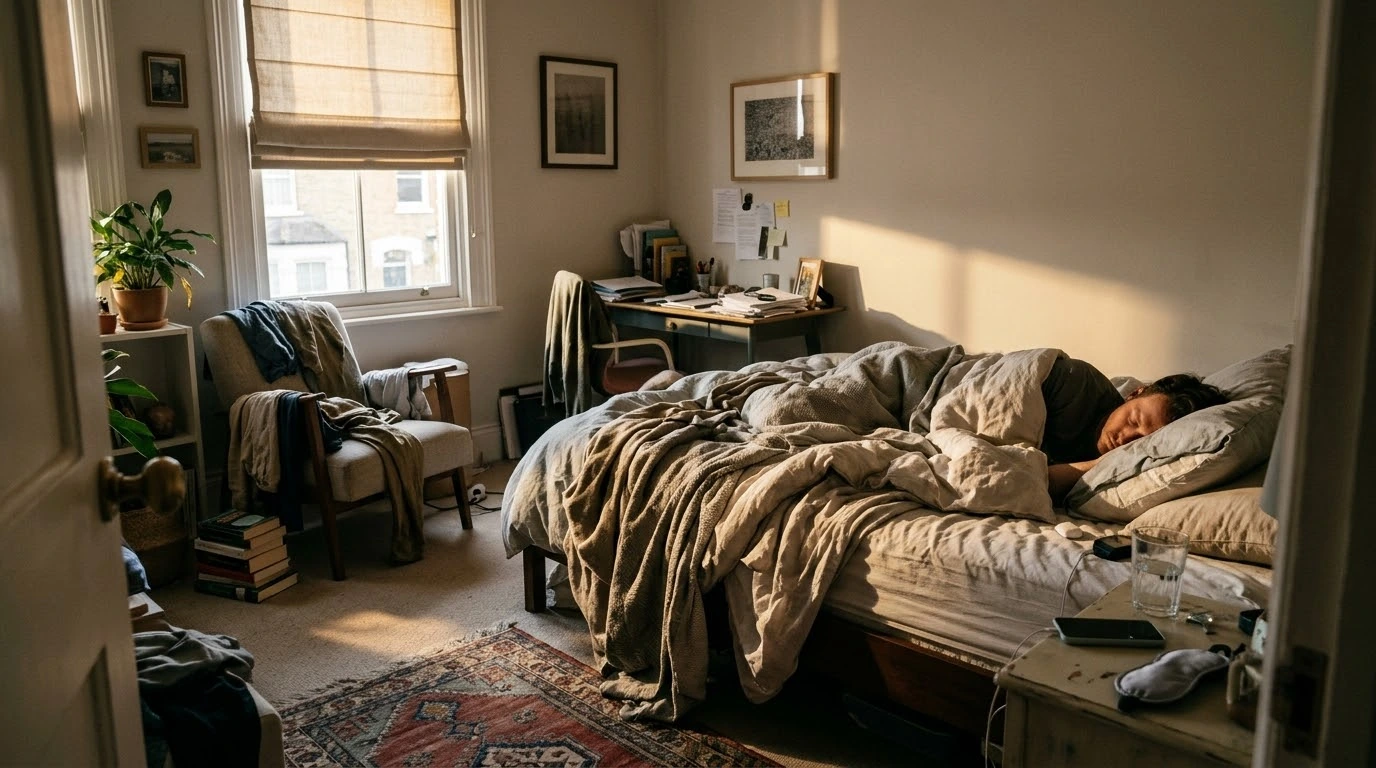
I sleep 12 hours a day. What could be wrong with me?
Sleeping 12 hours occasionally can happen when you are recovering from sleep loss, illness, or an unusually demanding period. If you regularly need that much sleep, especially if you still feel tired, it is worth talking with a healthcare professional. For most adults, the recommended amount is at least seven hours per night; consistently sleeping much longer can have several possible explanations.
Our team knows that sleep needs vary. Your age, schedule, health, and recent sleep history all matter, so the number of hours alone cannot identify a cause.
What can cause you to sleep so much?
Long sleep may reflect a temporary need for recovery, but it can also be associated with a health condition or a medication. Possible causes include:
- Sleep debt: You may sleep longer after several nights of insufficient rest or a major schedule disruption.
- Poor-quality sleep: Sleep apnea and other sleep disorders can interrupt rest, leaving you tired despite spending many hours in bed.
- Medical conditions: An underactive thyroid, anemia, infections, and other illnesses can contribute to fatigue or excessive sleepiness.
- Mental health conditions: Depression can affect sleep duration and energy, although symptoms differ from person to person.
- Medications or substances: Some medicines, alcohol, and other substances can make you drowsy or disrupt sleep.
- Hypersomnia: Certain sleep disorders cause excessive daytime sleepiness or unusually long sleep.
When should you seek help?
Make an appointment if sleeping 12 hours is a persistent change, interferes with daily life, or comes with daytime sleepiness, loud snoring, breathing pauses, low mood, or unexplained fatigue. A healthcare professional can review your symptoms and medications and may recommend blood tests or a sleep evaluation.
Seek emergency help if someone is unusually difficult to wake or has severe confusion or trouble breathing. If you feel sleepy while driving, pull over safely and do not continue until you are alert. Do not stop a prescribed medication without speaking to your healthcare professional.
What can you do before your appointment?
Keep a record of when you sleep and wake, naps, how rested you feel, and any snoring or breathing concerns. Bring a list of medications and relevant symptoms. For more ways to support your rest, see our guide to sleeping better for adults.
FAQ
How much sleep do adults usually need?
Most adults need at least seven hours of sleep per night, though individual needs vary. Teenagers generally need more sleep than adults.
















Leave a comment