Nighttime Calm Checklist for a Gentler Bedtime

When anxious thoughts follow you into the evening, bedtime can start to feel like another task to manage. A little structure may help you transition out of the day without adding pressure to fall asleep on command.
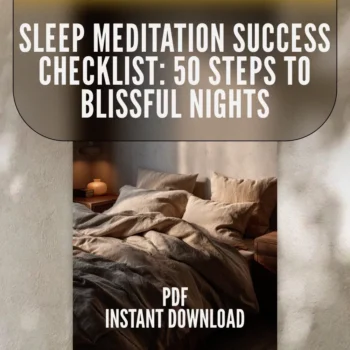
Our Nighttime Calm Checklist is a digital download with 50 steps for a calmer bedtime. It offers ideas you can adapt to your own evenings—not a promise of immediate sleep or relief. Start where you are, choose what feels manageable, and let your routine grow gradually.
Start Small: A Checklist for Calmer Evenings
A useful bedtime checklist should support you, not become another list you feel obligated to finish. You don’t have to follow every suggestion or make your evening look the same every night. Instead, treat the checklist as a flexible guide to habits you can select and revisit as your needs change.
Our Nighttime Calm Checklist is a $2.99 digital download focused on 50 steps for a calmer bedtime. Visit the product page for current details.
To begin, choose one or two actions that feel approachable. You might prefer something that helps you prepare for the next day or a small change that makes your bedroom feel quieter. Try your choices for a few evenings, then adjust them if they don’t fit. A routine is more useful when it works with your life rather than demanding a perfect night.
Build a Wind-Down Routine That Fits
Your evening transition doesn’t need to be elaborate. Setting a consistent bedtime, dimming lights and putting screens aside before bed are general habits that may help signal that the day is winding down. The National Heart, Lung, and Blood Institute’s healthy sleep habits offer more ideas for creating a sleep-friendly routine.
Consider how much time and energy you usually have at night. If a long routine feels unrealistic, begin with a few minutes. A brief sequence you can repeat may be more practical than trying to change every habit at once. On busy evenings, you can use a shorter version rather than abandoning the routine altogether.
The following is an example, not a prescribed schedule or a list of exercises included in the download. Adjust the timing and activities to suit you.
| When | Try | Purpose |
|---|---|---|
| Earlier in the evening | Prepare for tomorrow | Reduce last-minute tasks |
| Before bed | Dim lights and set screens aside | Create a quieter transition |
| At bedtime | Try slow, comfortable breathing | Make space to unwind |
You can also pay attention to which parts of the evening feel rushed. Preparing clothes or noting an appointment earlier may leave fewer decisions for bedtime. If an activity feels frustrating rather than calming, give yourself permission to skip it and try something else.
When Your Mind Keeps Racing
If worries or tomorrow’s tasks keep circling in your mind, try writing them down earlier in the evening. You don’t need to solve everything on the page. A short note can give you a place to return to those thoughts later, after which you can turn your attention back to a relaxing activity you enjoy.
Some nights will still be difficult. That doesn’t mean your routine has failed or that you’ve done anything wrong. Responding with patience can make the routine feel like support rather than another standard to meet. You can return to your chosen steps the next evening, change them, or take a break.
If anxiety or sleep problems persist or disrupt your daily life, consider speaking with a qualified healthcare professional. A checklist is a self-help aid, not a substitute for assessment or treatment. The National Institute of Mental Health’s anxiety disorders resource explains more about symptoms and finding help.
Make the Checklist Part of Your Routine
We suggest using the checklist as a menu of possibilities. Look for steps that feel practical in your current circumstances, and notice which ones you can repeat without making bedtime more complicated. You might keep your starting choices simple and revisit the guide when you’re ready for a change.
If you’re interested in more sleep-focused guidance, our Drift Off in Minutes sleep guide is an optional digital companion. Despite its title, it shouldn’t be taken as a promise that you’ll fall asleep quickly.
Our team knows that evenings can vary. A calmer routine can be built gradually, one manageable choice at a time.
Before choosing, compare the product details with your daily routine, available space, care needs, and preferred setup. The strongest option is usually the one that fits the intended use clearly and remains simple to clean, store, and check before repeat use.
FAQ
Do I need to follow all 50 steps every night?
No. Start with a few manageable steps and adapt your routine to your preferences and circumstances.
Can a bedtime checklist replace anxiety treatment?
No. A checklist is a self-help aid, not a substitute for professional care; seek help from a qualified healthcare professional if symptoms persist or disrupt daily life.
What kind of product is the Nighttime Calm Checklist?
It is a digital download presented as a 50-step guide to a calmer bedtime routine.















Leave a comment